
EU Pesticide MRL: The Compliance Failure That Kills More Indian Food Shipments Than Any Other
A field guide for Indian food exporters — what fails, why it fails, and a five-step prevention protocol that actually works. In late 2024, a Kerala turmeric exporter — a Tier-1 supplier with three EU customers, in-house lab, and twelve years of clean shipments — got a single-line email from his Italian buyer’s customs broker: […]
CBAM Is Here: What Indian Exporters of Steel, Aluminium and Cement Need to Do Now
The EU’s carbon border tax entered its definitive phase in January 2026. Here’s what it means for your margin, your reporting, and your competitive position — and the five things to do this quarter. This piece is the action guide we share with Indian exporters in covered sectors. It covers what CBAM actually is, what […]
FCL vs LCL vs Consolidation: When Each Makes Sense for India–EU Bulk Trade

A practical decision framework for choosing your container mode — with the cost math at three break-even points. A small Polish food importer had been shipping Indian spices in 8-CBM LCL consignments for two years. He thought he was being efficient — one shipment a quarter, no excess inventory, no big container to fill. Each […]
INR–EUR Volatility and Your Margin: A Hedging Primer for First-Time India–EU Traders
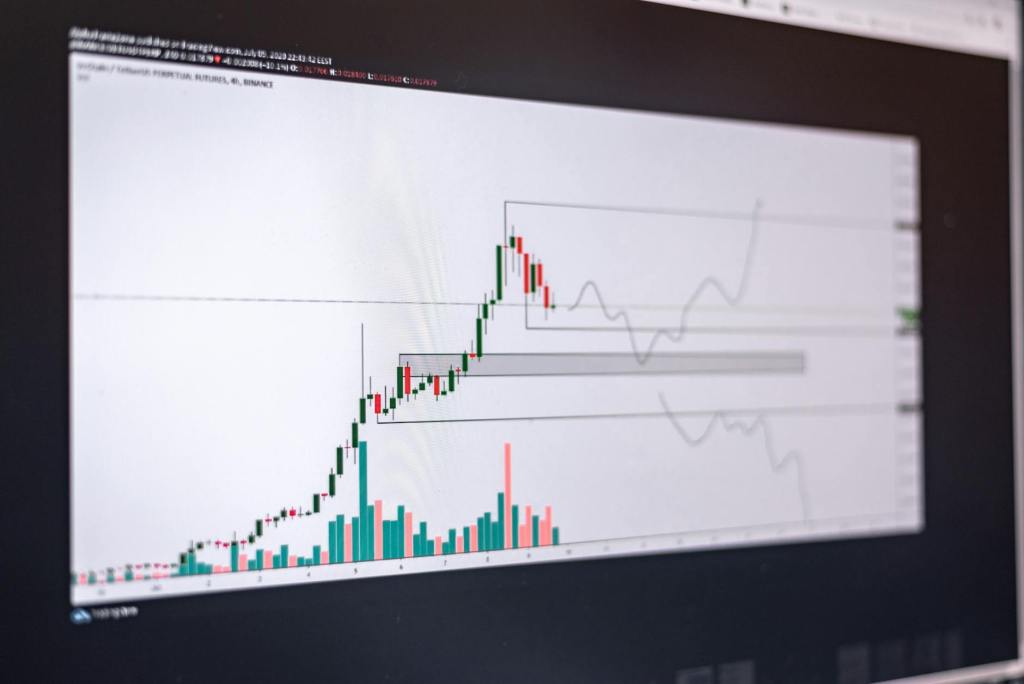
What currency moves do to your bottom line, when to hedge and when not to, and the three instruments most SMEs actually use. Two scenes from last quarter: A spice exporter in Kochi quoted a German buyer in US dollars for an 18-tonne pepper container, 90-day payment terms. By the time the dollars landed in […]
What EU Importers Actually Pay vs What Indian Exporters Actually Receive — the Middle 18%

Where the money goes between FOB Cochin and the buyer’s bank account, why the system stays opaque, and what changes when it doesn’t. Two months ago, an Indian spice exporter in Kollam told us he had just settled a 15-tonne pepper container at $5,300 per tonne FOB. Two weeks later, a German buyer we were […]
Real Cost Breakdown: Shipping a Container of Spices from Cochin to Rotterdam in 2026
Every line item, in euros — and the five places most first-time importers lose margin between FOB and the warehouse. A small Belgian spice trader landed his first container of Indian black pepper last spring. The FOB invoice was €82,000. His final cost in his Antwerp warehouse — six weeks later, after demurrage on an […]
Engineering Goods from India: A Buyer’s Map of Pune, Coimbatore and Rajkot
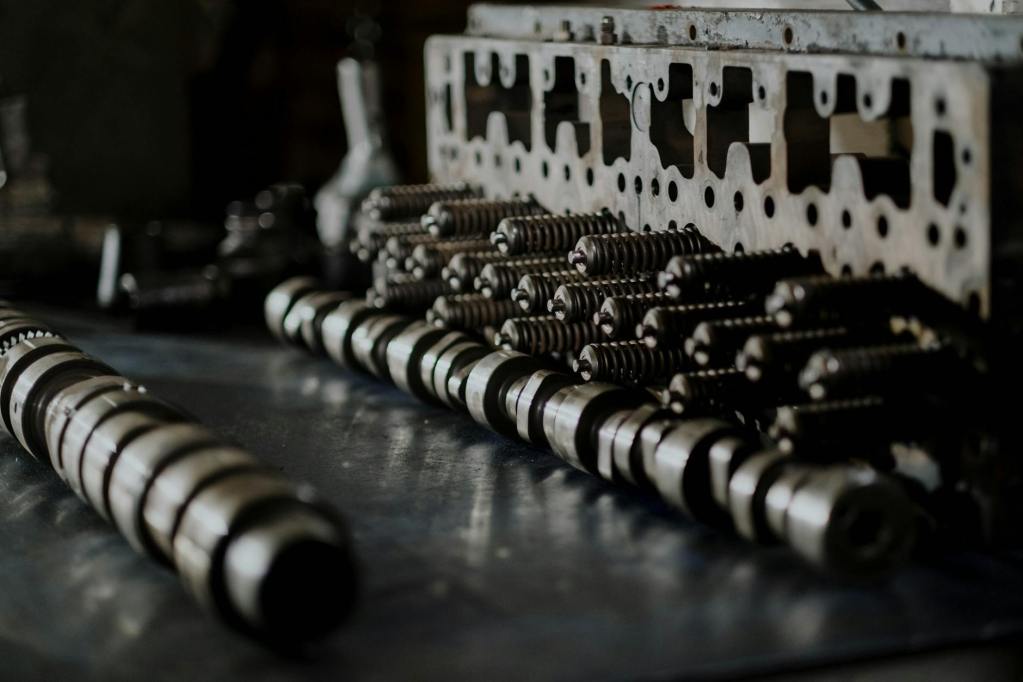
A buyer’s decision guide for the three clusters that handle most of India’s engineering exports — and how to pick the one your spec actually belongs in. Why three clusters, not “Indian engineering” India has serious engineering capacity in many places — Bangalore for high-tech and electronics, Hosur for industrial assemblies, Faridabad and Gurgaon for […]
Sourcing Food from India: Which Port, Which State, for Which Category

A decision guide for EU buyers — origin states, gateway ports, and the compliance pitfalls that catch most first-time food importers. A Dutch retailer placed their first basmati rice order through a Cochin-based broker last year. Fifty tonnes, paid eight per cent above market, and the grain that landed in Rotterdam didn’t match the sample. […]
Sourcing Textiles from India: Tirupur vs Surat vs Ludhiana, by Use Case
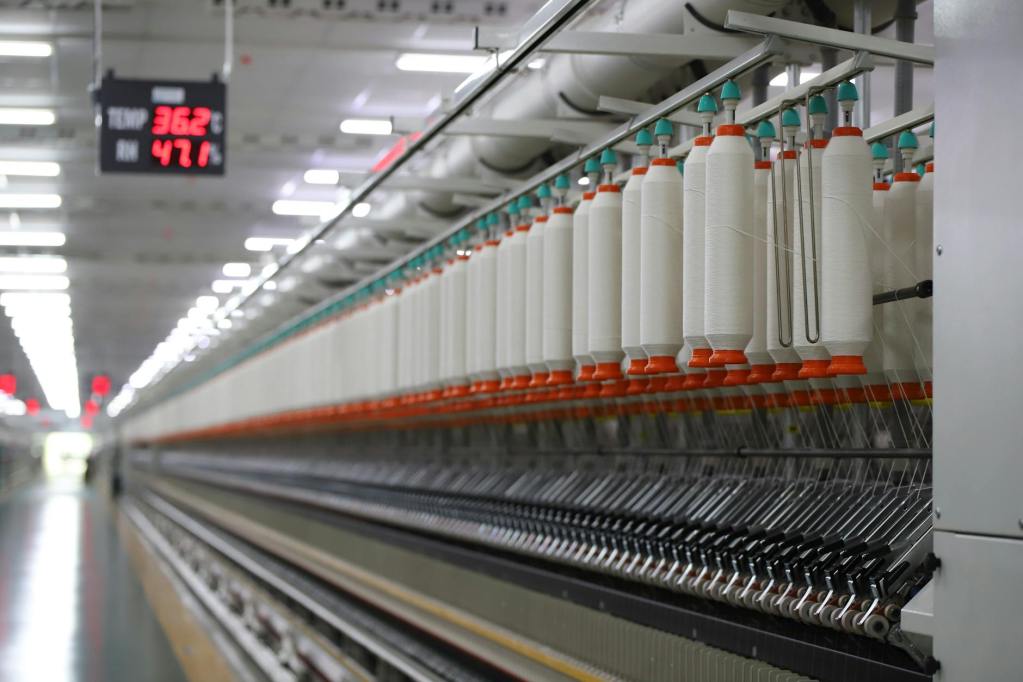
Why three clusters, and not “Indian textiles” India has serious textile capacity in at least eight clusters, but for apparel specifically — finished garments and the fabrics that go into them — three account for the vast majority of EU-bound exports: These are not regional preferences — they’re industrial specialisations built over decades. A buyer […]
The 12 Indian Export Clusters Every EU Buyer Should Know — and what each cluster is good at
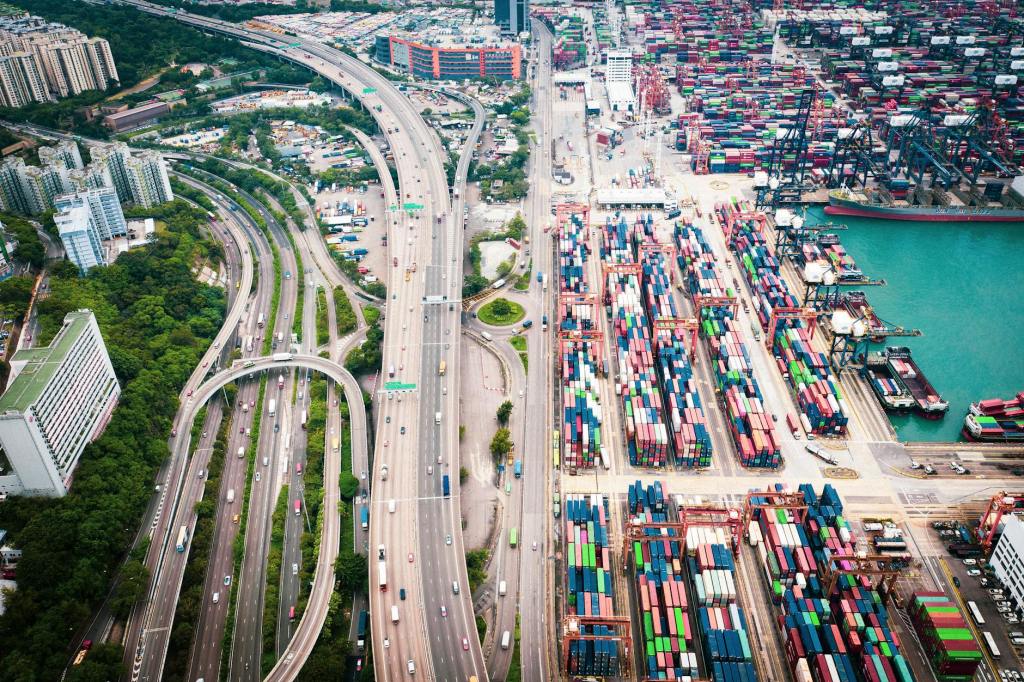
A practical buyer’s map of where to source what — and where most importers waste their first six months. A French linen brand spent four months chasing kitchen-towel suppliers in Tirupur before realising they’d been knocking on the wrong door the entire time. Tirupur makes knits. Their product was woven. The right cluster was 350 […]